
Why Most Homeowners Choose To Paint Their Kitchen Cabinets White
If you’ve been thinking about painting cabinets white, you’re not alone.
It’s one of the most common requests among homeowners looking to give their kitchen a fresh, updated look without tearing the whole thing apart.
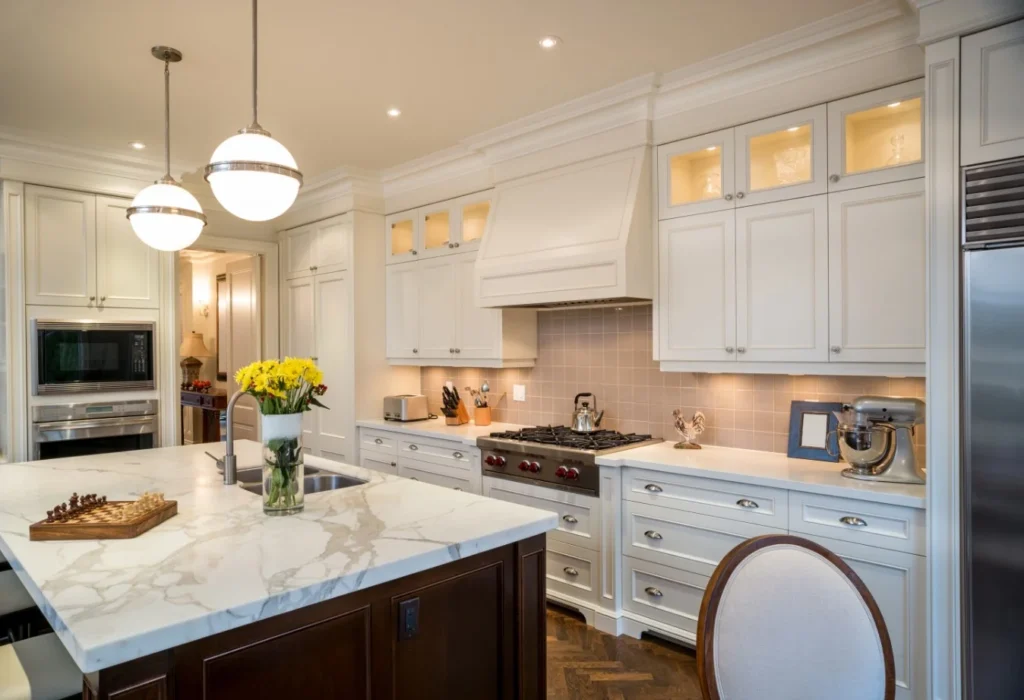
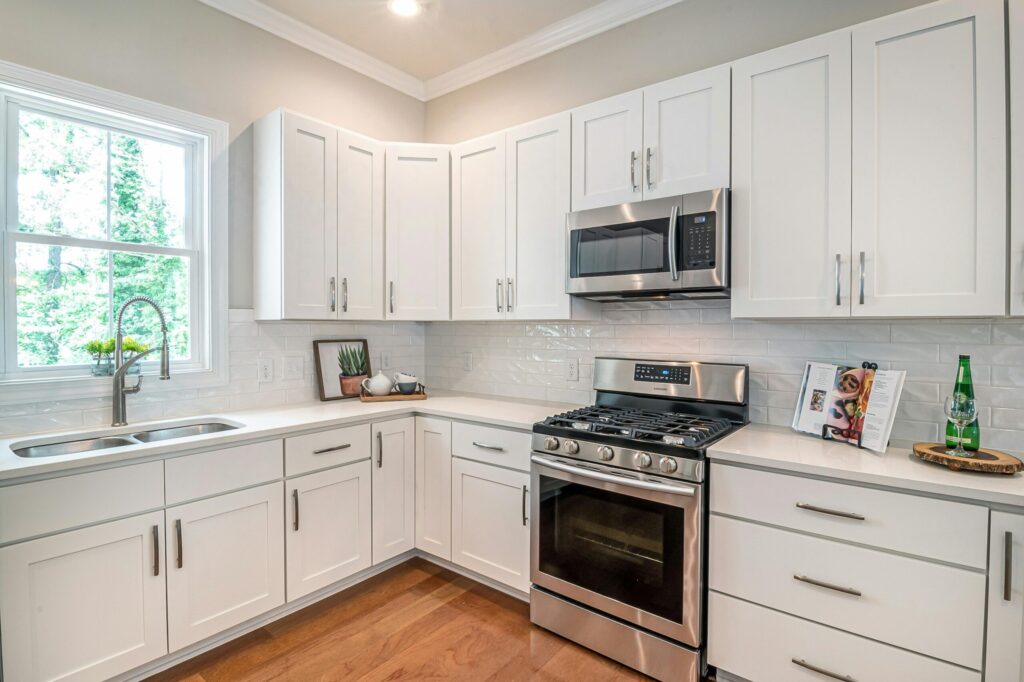
White cabinets have been a top trend for decades — and unlike many design fads, this one just won’t fade. There’s something timeless, bright, and welcoming about a white kitchen that makes people fall in love with the space all over again.
In this guide, we’ll dive into why white cabinets are so popular, what makes them practical, how to choose the right white, and what to expect if you decide to take the leap yourself.
The Enduring Appeal of White Kitchen Cabinets
When you walk into a kitchen with white cabinets, there’s an immediate sense of calm and clarity.
It feels open, airy, and fresh — even if the layout hasn’t changed one bit.
That’s the magic of white. It reflects light, expands the space visually, and brings balance to the rest of the room.
The Psychology Behind White
Color psychology plays a huge role in how we perceive our homes. White represents cleanliness, simplicity, and renewal. It’s a reset button for tired spaces.
After years of darker woods or bold paint colors, many homeowners crave that “blank slate” feeling white provides.
It also taps into emotion. White kitchens tend to feel more organized and peaceful — qualities that matter when you’re starting your morning or winding down after dinner.
A Design Chameleon
White cabinets also have unmatched versatility. They can lean modern or traditional, coastal or farmhouse.
You can change everything else around them — backsplash, hardware, wall color — and the white still works.
This flexibility is a big reason people choose it. They don’t have to commit to a single design style forever. A color that plays well with others gives you freedom to refresh later without repainting your cabinets again.
Practical Reasons Homeowners Prefer Painting Cabinets White
The design appeal is strong, but the practical reasons are what seal the deal. Let’s break down the main ones.
1. White Fits Everything
White is neutral, so it pairs with almost any countertop or flooring tone.
Whether you have granite, quartz, butcher block, or laminate, white cabinets won’t clash.
It also gives balance to bold backsplash patterns or dark appliances. You can add pops of color with décor or wall paint and easily switch them out as trends change.
2. It Adds Resale Value
Real estate agents often say: kitchens sell houses.
And kitchens with white cabinets tend to photograph and show better than darker ones.
White feels new and move-in ready. When buyers scroll through listings, white kitchens catch their eye because they look clean, bright, and easy to personalize.
That visual first impression can translate directly into higher offers or quicker sales.
3. It’s an Affordable Transformation
Painting cabinets is a fraction of the cost of replacing or refacing them.
Depending on the size of your kitchen, professional cabinet painting usually costs 60–80% less than new cabinetry — yet the impact is just as dramatic.
For homeowners who want a big visual upgrade without gutting the kitchen, painting cabinets white offers the best return for the investment.
4. It Opens Up the Space
Light colors reflect light; dark colors absorb it.
That’s why painting your cabinets white instantly makes the room feel bigger and brighter — especially important in smaller or enclosed kitchens.
White also works wonders in spaces with limited natural light. It helps bounce what little sunlight you get, creating a more uplifting, energized feel.
The Real-World Side: Maintenance, Durability & Yellowing Myths
White cabinets get a bad rap for being “hard to keep clean.”
The truth? Any color shows dirt — just in different ways.
Dark cabinets reveal dust and fingerprints, while white shows smudges and spills. But with the right finish and cleaning habits, white is no harder to maintain.
Modern Paints Are Built to Last
Today’s cabinet paints are designed to be tough. Enamel-based or hybrid alkyd paints cure into a hard, washable surface that resists yellowing and grease.
Professional painters also use topcoats that protect against scratches and stains. So when done right, white cabinets stay crisp and bright for years.
Cleaning Is Simple
The key is consistency, not effort.
Here’s how to keep white cabinets looking new:
- Wipe spills or fingerprints weekly with a damp microfiber cloth.
- Use mild dish soap instead of harsh chemicals.
- Dry surfaces immediately to avoid streaks.
- Avoid magic erasers or abrasives that dull the sheen.
That’s it. Routine upkeep keeps the finish looking fresh.
Debunking the Yellowing Myth
Many people worry their white cabinets will “yellow” over time. That’s usually caused by oil-based paints or exposure to heavy cooking grease.
Modern waterborne enamel and hybrid paints don’t have that issue.
With proper prep and ventilation, your cabinets will stay the same shade of white for years.
Expert Advice: Choosing the Right Shade of White
Here’s where most homeowners get stuck — choosing which white.
There are hundreds of shades, each with a slightly different undertone.
Understanding Undertones
- Warm whites (like Benjamin Moore’s Swiss Coffee or Sherwin-Williams Alabaster) have hints of yellow or beige. They feel soft and inviting — great for traditional or farmhouse styles.
- Cool whites (like Chantilly Lace or Pure White) have blue or gray undertones. They look crisp, perfect for modern or coastal spaces.
Your lighting will affect how white looks. North-facing rooms lean cooler; south-facing rooms bring warmth. Always test samples under natural and artificial light before committing.
Finish Matters
The finish determines durability and appearance:
- Satin or semi-gloss — best for kitchens; easy to clean, durable.
- Matte — hides imperfections but scuffs more easily.
- High gloss — sleek and reflective, but shows fingerprints.
Tip: Always Test Samples
Don’t trust the paint chip. Paint large sample boards and hold them near your countertops and backsplash at different times of day. What looks white in the morning might look beige at night.
When Painting Cabinets White Might Not Be the Best Option
White isn’t a one-size-fits-all solution.
In some spaces, it can actually work against you.
When White Feels Too Harsh
If your kitchen has minimal natural light or warm orange undertones (like cherry or mahogany floors), bright white can feel stark or cold.
Try Softer Alternatives
- Creams or off-whites add warmth without losing brightness.
- Light greige blends the best of gray and beige, complementing both warm and cool materials.
- Soft gray-whites (like Classic Gray) keep a modern edge without looking sterile.
Testing Before You Commit
The easiest way to decide? Paint a few doors or use peel-and-stick samples. Live with them for a few days.
Notice how they change throughout the day — that’ll tell you which tone feels right for your space.
Professional Tips for a Flawless White Cabinet Finish
A smooth, durable finish starts long before the first coat of paint.
Here’s how professionals approach painting kitchen cabinets white.
Step 1: Degrease Everything
Kitchens collect grease and residue that paint won’t stick to.
Degrease every surface using a cleaner like TSP substitute or Krud Kutter before sanding.
Step 2: Sand Smooth
Even factory finishes need light sanding.
Use fine-grit sandpaper (220 grit) to dull the gloss and create a texture the primer can grip.
Step 3: Prime Properly
Primer prevents stains and tannins from bleeding through the paint.
For oak or older cabinets, use a shellac-based primer. For smooth MDF or maple, a high-bond acrylic primer works best.
Step 4: Apply Paint in Thin Coats
Professionals typically spray paint for that “factory finish,” but careful rolling with a foam roller can still give smooth results.
Apply multiple thin coats rather than one thick one.
Step 5: Let the Paint Cure
Paint needs time to harden. Even if it’s dry to the touch, avoid reinstalling doors or hardware for at least 24–48 hours. Full curing can take a week.
Step 6: Reinstall Hardware & Enjoy
Once cured, reinstall hinges and knobs. This is also a good time to upgrade hardware — brushed brass or matte black looks stunning with white cabinets.
Real-World Results: Why Homeowners Keep Coming Back to White
Every year, countless homeowners who once swore they’d never go white eventually do. And nearly all say the same thing afterward — “I wish we did this sooner.”
A Few Real Examples
- A family with dark cherry cabinets felt their kitchen was always dim. After painting them Pure White, the entire space felt double the size.
- A couple flipping an older home used Alabaster on dated oak cabinets. The kitchen became the main selling point, and the house sold above asking.
- Another homeowner kept their existing layout but upgraded the look with white cabinets and black hardware — a simple change that made their 1990s kitchen look brand new.
These aren’t isolated stories — they happen every week in homes across the country. White just works.
The Emotional Payoff
There’s also an emotional layer to this decision. A bright kitchen feels energizing. It sets the tone for your morning, makes cooking more enjoyable, and even changes how you perceive your home.
When homeowners walk into their freshly painted white kitchen for the first time, there’s almost always a smile. It’s not just the color — it’s the feeling of a fresh start.
Conclusion: Why White Wins — Every Time
When it comes down to it, painting cabinets white is one of the smartest upgrades you can make.
It’s clean, timeless, and versatile. It brightens your home, increases resale value, and gives you a look that never feels outdated.
While trends come and go, white kitchens remain a favorite for a reason — they fit every style, every season, and every homeowner.
If you’re ready to transform your kitchen, consider professional cabinet painting before replacing or refacing. A proper white finish can completely change the feel of your space — without changing the bones of your kitchen.
FAQ
Is painting cabinets white a good idea?Absolutely. It’s one of the easiest and most cost-effective ways to refresh your kitchen and boost your home’s value.
Will my white cabinets turn yellow?Not if the right materials are used. Modern paints are formulated to resist yellowing and grease stains.
What’s the best paint for kitchen cabinets?Professional enamel or hybrid alkyd paints — they self-level, dry hard, and hold up to daily wear.
Can I paint cabinets myself?Yes, but be ready for prep work. If you want a factory-smooth finish that lasts, hiring a pro often pays off in the long run.