
When It's Time to Reface Your Cabinets: Spotting the Signs and Making the Smart Choice
When your kitchen cabinets start showing their age, you might feel caught between a quick paint job and a complete overhaul. Cabinet refacing shines when wear and tear go beyond what a simple paint refresh can fix. This guide highlights signs that signal it’s time for a refacing project and compares refacing versus replacement.
Signs Your Cabinets Need a Reface

Cosmetic Wear
- Peeling Laminate or Veneer: Exposed plywood weakens resistance to moisture and can cause edges to swell. Repeated peeling at corners indicates it’s time to replace door fronts and drawer faces. This is a clear sign that the protective layer is compromised, allowing for potential water damage and further deterioration of the underlying material.
- Fading, Discoloration, or Stains: UV rays, cooking splatters, and water can break down the cabinet finish and sealant, causing color changes and surface breakdown. Persistent stains that cannot be removed, or significant fading that creates an uneven appearance, detract from the overall aesthetic of your kitchen.
- Scratches, Dents, and Surface Imperfections: These compromise the protective clear coat, allowing moisture and grime to seep into the wood. Dents often can’t be fully erased with touch-up pens. Deep scratches or numerous small dents can make cabinets look worn and unappealing, and they can also be entry points for dirt and moisture.
Functional and Structural Issues
- Sticky or Misaligned Doors and Drawers: Worn hardware and shifts in the cabinet frame cause hinges to bind or doors to sag. Misaligned drawers suggest the cabinet box itself has shifted or warped. When doors don’t close properly or drawers stick, it’s not just an annoyance; it can indicate underlying structural issues with the cabinet boxes or hinges that a simple adjustment won’t fix long-term.
- Minor Structural Instability: Loose fasteners, separating joints, or slight twisting in cabinet boxes point to internal stress that painting alone cannot fix. If you notice that cabinet boxes feel wobbly, joints are pulling apart, or there’s a noticeable warp, these are signs that the core structure is compromised and needs more than a cosmetic touch-up.
Outdated Style

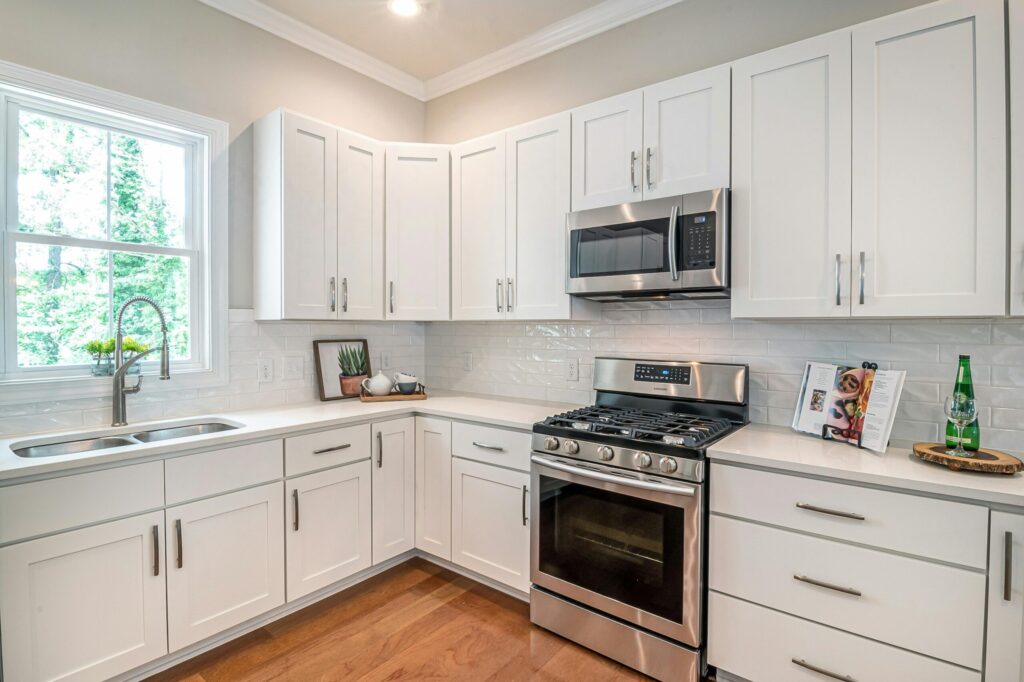
- Old-Fashioned Door Styles: Raised panels with heavy molding can collect grease and look bulky. Modern flat-panel or shaker profiles simplify cleaning and offer cleaner lines. If your cabinet doors have ornate details that are difficult to clean or simply don’t align with current design trends, refacing allows you to update the look significantly.
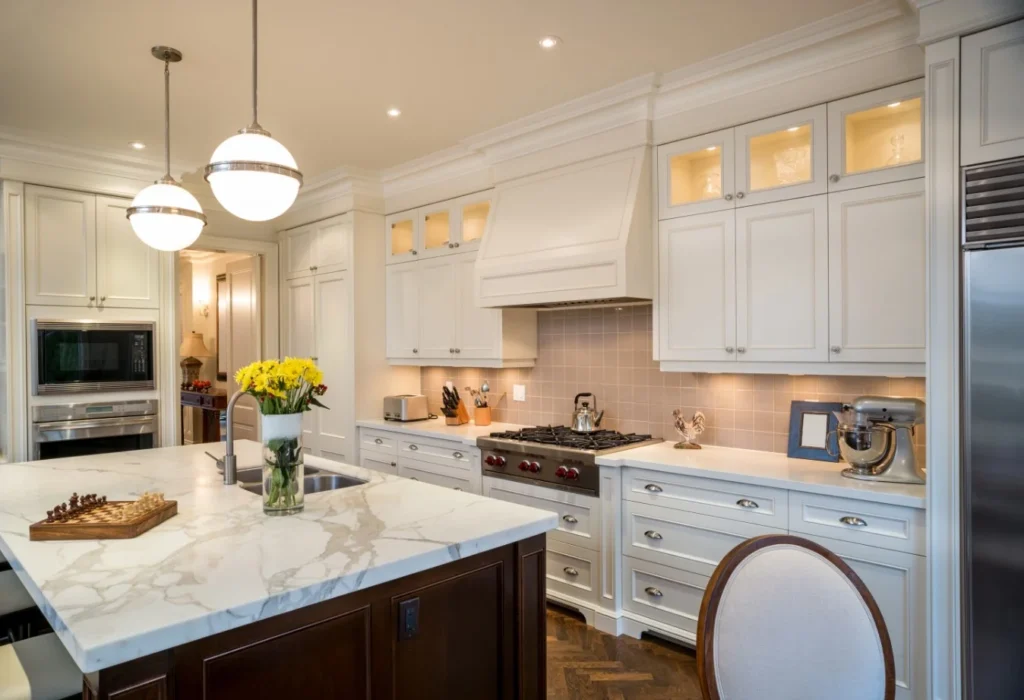
- Dated Colors and Finishes: Harsh wood tones or overly glossy surfaces can make a space feel dark or cluttered. Muted neutrals, soft whites, and two-tone palettes can restore luminosity. A kitchen’s color palette has a huge impact on its perceived size and atmosphere. If your cabinets are a color or finish that feels dated, refacing offers a chance to modernize the entire space.
For a trendy and eye-catching design, opt for two-tone cabinets. Choose complementary colors or contrasting shades for the upper and lower cabinets. This technique adds depth and visual interest to your kitchen while still maintaining a cohesive and balanced look. Consider a classic white for upper cabinets paired with a deep navy or a natural wood tone for the lower cabinets to create a sophisticated and inviting atmosphere.
Reborn Home Solutions, (2024)
Homeowners often choose refacing to boost resale value, improve kitchen flow, or simply regain pride in their home’s appearance. Refacing satisfies both practical and aesthetic goals more quickly and with less mess than a full replacement. It’s a strategic investment that can dramatically alter the perception and functionality of your kitchen without the extensive disruption and cost of a complete gut renovation.
Cabinet Refacing vs. Full Replacement
Choosing cabinet refacing transforms your kitchen using your existing cabinet foundation. Here’s how it compares to a full replacement:
| Feature | Cabinet Refacing | Full Replacement |
|---|---|---|
| Average Cost | 30–50% less than new units | Includes demolition, new boxes, and installation |
| Project Timeline | 3–5 days | 2–3 weeks |
| Disruption Level | Minimal—kitchen remains usable | High—involves a temporary kitchen teardown |
| Environmental Impact | Reuses existing cabinet boxes, generating less waste | Discards old materials, leading to a higher landfill load |
Refacing often wins on cost, speed, and sustainability. By retaining the existing cabinet boxes, you significantly reduce material costs and labor associated with demolition and new construction. This makes it a more budget-friendly and time-efficient option for many homeowners looking to update their kitchen.
The average cost for refacing a cabinet ranges from $4,500 to $15,000, or approximately $100 to $450 per square foot. Costs can vary based on several factors, such as kitchen layout, cabinet size, and the quality of materials chosen. For instance, opting for premium wood veneers or custom door styles will naturally increase the overall project cost compared to standard laminate or thermofoil options.
Modernize, (2025)
A refacing project is perfect for homeowners who have busy schedules. Typically, only 2-5 days are needed to complete a refacing project. This rapid turnaround means you can enjoy your newly updated kitchen with minimal interruption to your daily life. Imagine waking up to a refreshed kitchen just a few days later, rather than weeks of inconvenience.
Deslaurier Custom Cabinets, (2021)
Cabinet refacing involves keeping the existing cabinet boxes and frames while only replacing the doors and hardware. This process generates significantly less waste compared to installing entirely new cabinets. This approach reduces the amount of materials ending up in landfills, contributing to a more sustainable environment. It’s a responsible choice that aligns with eco-conscious living, allowing you to update your home while minimizing your environmental footprint.
Trends Wood Finishing, (2019)
Homeowners who notice peeling surfaces, misaligned doors, or an outdated style know it’s time to explore cabinet refacing options. With its cost advantages, quick turnaround times, and a greener footprint, refacing presents a smart alternative to full replacement or a simple paint refresh. It offers a tangible way to enhance your home’s value and your daily living experience without the significant drawbacks of a full renovation.
Ready to Revitalize Your Kitchen?
Don’t let worn-out cabinets diminish your kitchen’s appeal. Discover the transformative power of cabinet refacing and get a personalized quote tailored to your needs.
Beyond the Basics: Factors Influencing Refacing Decisions
While the signs mentioned above are strong indicators, several other factors can influence the decision to reface your cabinets. Understanding these nuances can help you make the most informed choice for your home improvement project.
Budget Considerations
Cabinet refacing typically falls in the middle ground between a simple paint job and a full cabinet replacement. A basic paint job might cost a few hundred dollars for DIY supplies or a couple of thousand for professional application, but it won’t address structural issues or change the door style. Full replacement can easily run into tens of thousands of dollars, depending on the size of the kitchen and the quality of materials. Refacing offers a significant aesthetic upgrade for a fraction of the cost of replacement, making it an attractive option for homeowners looking for a substantial impact without breaking the bank.
Material Choices for Refacing
The materials used in refacing play a crucial role in both the final look and the durability of your cabinets. Common options include:
- Wood Veneers: These are thin slices of real wood that are adhered to the existing cabinet boxes and new doors/drawer fronts. They offer the natural beauty and warmth of wood and can be stained to match or complement your desired color scheme. Popular wood species for veneers include oak, maple, cherry, and walnut.
- Laminate: Laminate is a durable, synthetic material that is resistant to moisture, stains, and scratches. It comes in a vast array of colors, patterns, and textures, including realistic wood grain finishes. Laminate is often a more budget-friendly option and is known for its ease of maintenance.
- Thermofoil: This is a vinyl film that is heat-pressed onto an MDF core. It creates a seamless, smooth surface that is also resistant to moisture. Thermofoil is available in various colors and finishes, often mimicking painted cabinets or high-gloss modern looks. However, it can be susceptible to peeling or damage from excessive heat.
- Paint: While the article distinguishes refacing from painting, some refacing projects might involve painting the existing cabinet boxes while replacing doors and drawer fronts with new ones. This can be a cost-effective way to achieve a uniform look if the boxes are in good structural condition.
The choice of material will depend on your budget, desired aesthetic, and the level of durability you require. Consulting with a refacing specialist can help you navigate these options.
The Role of Cabinet Boxes
A critical aspect of cabinet refacing is the condition of the existing cabinet boxes (also known as the carcass or frame). Refacing is only a viable option if these boxes are structurally sound. This means they should be solid, free from significant water damage, warping, or pest infestation. If the boxes themselves are compromised, a full replacement will be necessary. During an initial consultation, a professional will assess the integrity of your cabinet boxes to determine if refacing is the right solution.
Customization and Design Flexibility
Refacing offers a surprising amount of design flexibility. Beyond changing the color and finish, you can completely alter the style of your cabinet doors and drawer fronts. This means you can transition from a traditional raised-panel style to a sleek, modern flat-panel or a classic shaker design. You can also update hardware, add decorative moldings, or even incorporate glass inserts into some doors. This level of customization allows you to achieve a completely new look and feel for your kitchen without the expense and disruption of replacing the entire cabinet structure.
When Refacing Might Not Be Enough
While refacing is an excellent solution for many situations, it’s important to recognize its limitations. If your kitchen layout is inefficient, or if you need to reconfigure the space significantly, refacing won’t address these fundamental issues. Similarly, if the existing cabinet boxes are severely damaged, warped, or made of low-quality materials, a full replacement is the only way to ensure a long-lasting and functional kitchen renovation. It’s also worth noting that while refacing updates the visible parts of the cabinets, the internal structure remains the same. If you’re looking for a complete overhaul of your kitchen’s functionality and layout, a full renovation might be a better investment.
Expert Kitchen Renovations Guide, (2023)
Homeowners who notice peeling surfaces, misaligned doors, or an outdated style know it’s time to explore cabinet refacing options. With its cost advantages, quick turnaround times, and a greener footprint, refacing presents a smart alternative to full replacement or a simple paint refresh. Request a free estimate today to see just how easy it is to renew your cabinets and refresh your home.